
How to Eat Like a Local in Málaga
In Málaga, food isn’t just fuel—it’s a way of life. From the vibrant mercados to the bustling chiringuitos, you’ll quickly discover that meals here are a cornerstone of connection, celebration, and community. Spanish culture revolves around food, and Málaga’s culinary scene offers a delicious blend of tradition, flavor, and local charm.
Whether you’re embracing the healthy Mediterranean diet or savoring tapas at a cozy bar, eating in Málaga is about more than what’s on your plate—it’s about slowing down, sharing, and savoring every bite. Ready to dive into the flavors of Málaga? Let’s explore how to eat like a true local.
The Mediterranean Diet: A Recipe for Longevity
The Mediterranean diet isn’t just a buzzword—it’s a lifestyle deeply rooted in Málaga’s culinary traditions. This way of eating, rich in fresh fruits, vegetables, olive oil, fish, and nuts, has been linked to longer, healthier lives. Spanish people, including the locals of Málaga, are among the longest-living populations in the world, thanks in part to their balanced and heart-healthy eating habits.
So, you might as well join in and adapt to this diet – you will love it!
This healty way of eating also adds to the quality of life in Malaga.
Food Is the Heart of Social Life
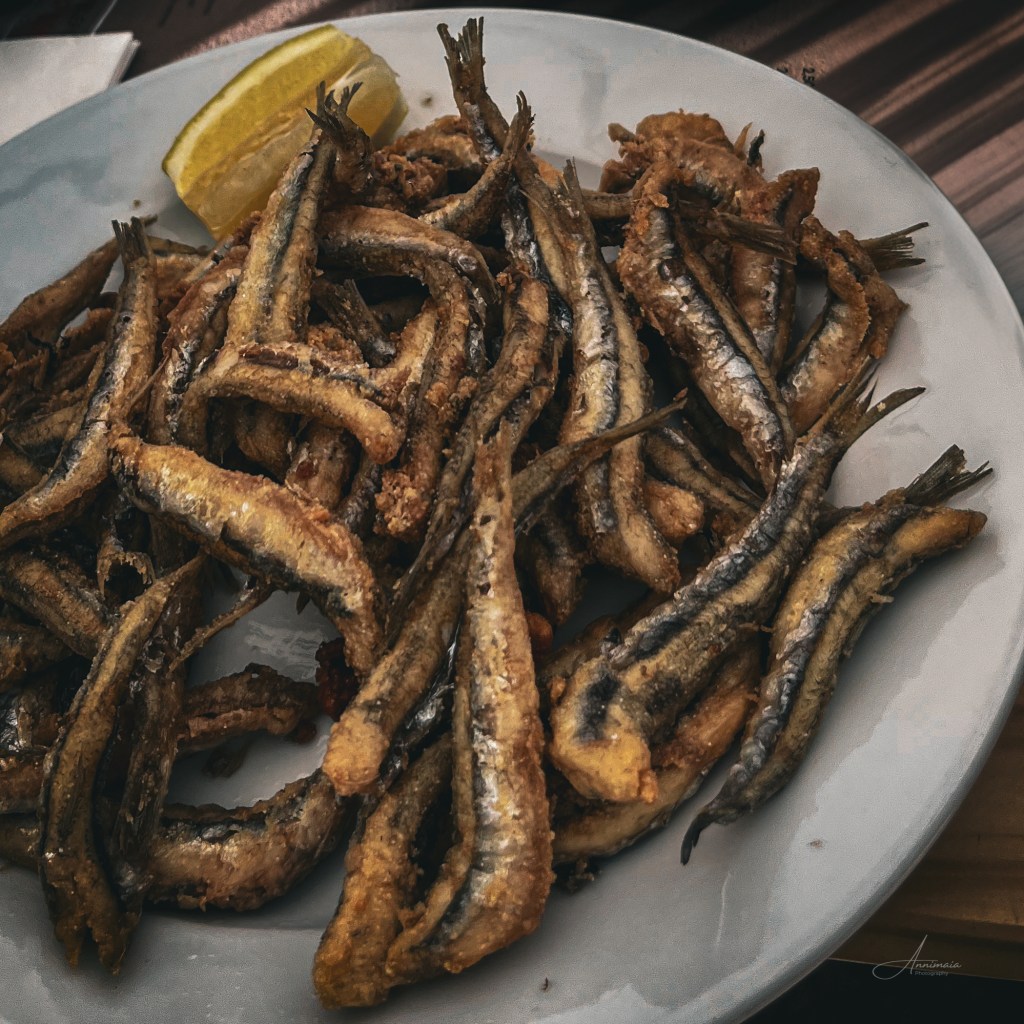
Food and shared meals are central to the social fabric of life here. Whether it’s a long lunch with family, tapas with friends, or spontaneous conversations with strangers at a bar, eating is a communal experience. That said, eating alone is completely normal and accepted. You’ll often see locals enjoying a solitary café con leche or a plate of anchovies while soaking up the atmosphere.
Embracing Local Dining Etiquette
Dining in Málaga comes with its own set of unwritten rules that reflect the city’s relaxed yet social culture. For example, sharing is a cornerstone of the experience—whether it’s a plate of tapas or a bottle of wine, meals are meant to be communal. Don’t be surprised if your server brings all the dishes to the center of the table for everyone to try.
If you’re dining at a traditional Spanish bar, you might find yourself standing at the counter with your drink and tapas, which is often a more casual and lively way to enjoy a meal. When in doubt, take cues from the locals around you—they set the tone for how to enjoy Málaga’s vibrant food culture.
When dining out in Málaga, it’s not just about the food—it’s also about showing respect for the experience. Most locals take pride in dressing well for dinners, whether it’s a casual meal at a chiringuito or a more formal evening at a traditional restaurant. Men typically wear closed shoes and shirts, and women often opt for stylish yet comfortable outfits. Coming straight from the beach in flip-flops or, worse, without a shirt is a definite no-go and may offend some locals. This unwritten rule reflects the importance of meals in Spanish culture—they’re not just about eating but also about creating a moment of elegance and connection. Dressing appropriately is part of embracing and respecting the local customs.
Tipping is appreciated but modest; rounding up the bill or leaving a euro or two is considered polite. It’s also common to linger after a meal, chatting and enjoying sobremesa—the leisurely time spent at the table after eating.
Meal Times: Adjusting to the Local Rhythm
Meal times in Málaga follow a rhythm that might take some getting used to. Here’s how locals structure their eating habits:
- Breakfast (Desayuno):
Breakfast is usually a light affair, often involving a cup of coffee, fresh orange juice, paired with a pitufo. Cafés buzz with people grabbing a quick bite before starting their day. - Pitufos (literal meaning, Smurf) can be found in any traditional Spanish cafe. A pitufo is a small, crusty roll that’s a staple of breakfast in Málaga. Typically served with a variety of fillings, it’s often enjoyed with butter and jam, ham and cheese, or my personal favorite, olive oil, shredded tomato, and salt.
- Lunch (Almuerzo):
Lunch is the main event and typically starts around 2 p.m. Long lunches, especially on weekends, are cherished and can last for hours. Typically it’s a multi-course meal that may include a starter, main dish, dessert, and coffee. Some places you can find a Menu del dia, which includes a three course meal for a very reasonable price. - Afternoon Snack (Merienda):
Around 5 or 6 p.m., you’ll see locals indulging in a small snack. It’s a little pick-me-up to tide them over until dinner. Merienda usually consists of a pastry or a sandwich paired with coffee or tea. This is also a good time to try the famous churros. - Dinner (Cena):
Dinner happens late—often around 9 or 10 p.m. Unlike lunch, it’s usually a lighter meal. Tapas are popular, as are simple dishes like grilled fish or a fresh salad. Despite the late hour, Málaga’s streets and restaurants are bustling with life every night of the week.
Alcohol: A Meal Companion
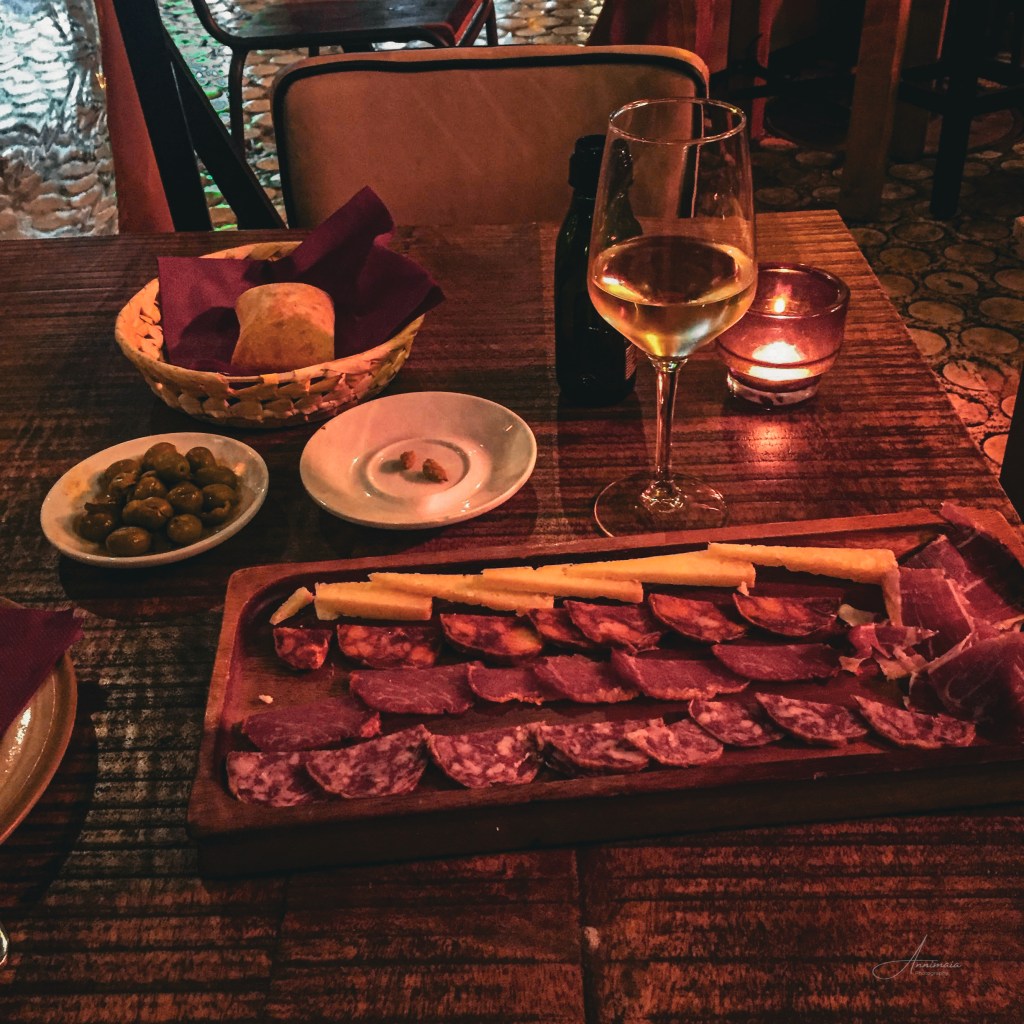
In Málaga, wine or beer usually accompanies meals. It’s not about drinking in excess but about enhancing the flavors of the food and enjoying the moment. Don’t be surprised if you’re offered a complimentary shot of liqueur at the end of your meal—it’s a gesture of hospitality in many traditional Spanish bars.
I once heard that only children drink sodas in Málaga, and there’s some truth to it—you rarely see adults ordering a soda with their meal. It’s also worth noting that a good glass of wine here costs about the same as a soda, making wine an obvious choice. Who wouldn’t prefer a nice glass of red wine with their steak over a sugary cola?
Read more in my article: How to drink like a local.
Tapas: Spain’s World-Famous Culinary Tradition
Tapas is a proud and famous Spanish tradition – and they’re a cultural ritual in Málaga. These small plates are perfect for sharing and allow you to sample a variety of flavors. Again it speaks to the social food sharing culture. Locals often gather around high tables or barrels, enjoying their tapas while standing or perched on a stool. It’s common to pair a tapa or two with a caña (a small beer) before moving on to the next spot. Unlike a sit-down meal, tapas are meant to be a quick, casual experience, shared with a small group of good friends — a delightful pitstop as you hop between different bars, sampling a variety of dishes along the way.
Chiringuitos: Seaside Feasts in Málaga
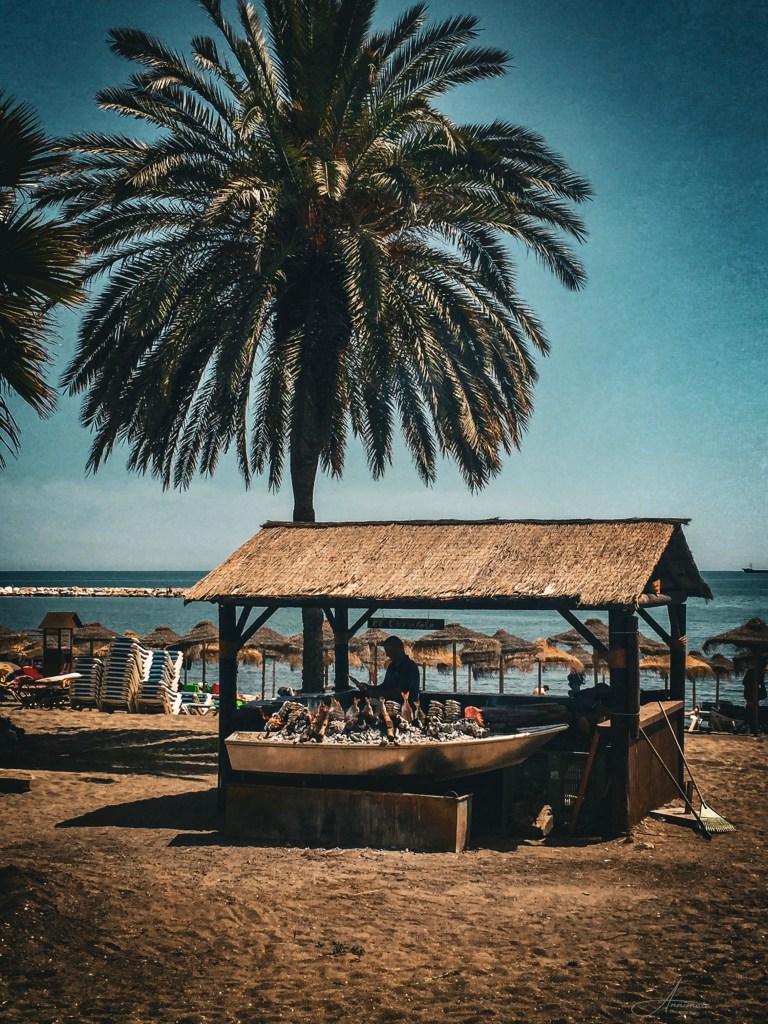
No visit to Málaga is complete without a meal at a chiringuito, the iconic beachside restaurants that line the coast. These casual spots specialize in seafood, with fish and shellfish grilled over open flames being the highlight. From espeto de sardinas (skewered sardines) to whole fish, prawns, and clams, the flavors are as fresh as the sea breeze. Chiringuitos are a popular choice for long, leisurely lunches, often enjoyed with large groups of family or friends. Pair your meal with a cold beer or a glass of local white wine, and savor the unbeatable combination of delicious food and the soothing sound of waves.
Must-Try Traditional Dishes in Málaga
In Málaga, simplicity reigns supreme in the kitchen. The focus is always on the freshness of the ingredients, which are often served with minimal adornment to preserve their natural rich flavors. Rather than overcomplicating dishes, locals prefer to let each ingredient shine—like serving a plate of perfectly ripe tomatoes or expertly grilled fish without heavy sauces.
Here are a few must-tries:
A local favorite is tortilla de bacalao, a fluffy omelet featuring salted cod. It’s simple yet flavorful, highlighting how the city celebrates fresh seafood in even the most unassuming dishes.
For something truly unique to Málaga, try ensalada malagueña. This vibrant salad combines tender potatoes, sweet oranges, green olives, and salted cod, all brought together with a drizzle of high-quality olive oil. The blend of sweet, salty, and savory flavors makes it a dish that surprises and delights.
I also want to mention Albondigas en Salsa de Almendras—tender meatballs smothered in a rich, creamy almond sauce. This comforting dish showcases Málaga’s knack for blending hearty flavors with a touch of sophistication. Pair it with a fresh baguette to soak up the flavorful sauce, and you’ve got a meal that truly embodies Andalusian home cooking. (You can also get albondigas with tomato sauce, which is more common, but in my opnion not as good).
Each of these dishes offers a taste of Málaga’s culinary heritage, proving that with the right ingredients and a light touch, even the simplest dishes can be extraordinary.
Sunday Family Lunches: A Sacred Tradition
In Málaga, Sunday family lunches are more than just a meal—they’re a cherished tradition. Families gather around the table to share dishes like paella, puchero (a traditional stew), or roast lamb, often accompanied by fresh bread, local wine, and lively conversation that stretches into the afternoon. You’ll often see big groups out in restaurants or chiringuitos, with several generations together and the kids dressed in their Sunday best.
While, as an outsider, being invited to a family’s Sunday lunch is rare—family is sacred here—you can still embrace the tradition by hosting your own with friends or your family of choice. It’s a beautiful way to experience the spirit of Málaga and celebrate togetherness in your own way.
Traditional Spanish Bars: Timeless Charm
Traditional bars in Málaga are a slice of history. Picture walls adorned with intricate tiles, legs of jamón serrano hanging from the ceiling, and barrels of Málaga’s famous sweet wine lining the counters. These bars are where locals have gathered for generations to share tapas, exchange stories, and enjoy life’s simple pleasures.
Sadly, with the influx of expats and tourists, many of these authentic spots are gradually being replaced by more modern venues. Luckily there’s still some of these bars left, where you’ll still find the timeless charm of Málaga. These hidden gems are often family-run establishments, where recipes and traditions have been passed down for decades.
Pull up a stool, order a vermut or a caña (small beer), and enjoy a tapa of freshly prepared boquerones or a slice of tortilla. These bars aren’t just about the food and drink; they’re about immersing yourself in Málaga’s culture and savoring the authenticity that makes the city so special.
Read more on my favorite drink vermut in my article: Vermut – A much recommended local favorite!.
Malaga’s famous foodmarket: Atarazanas
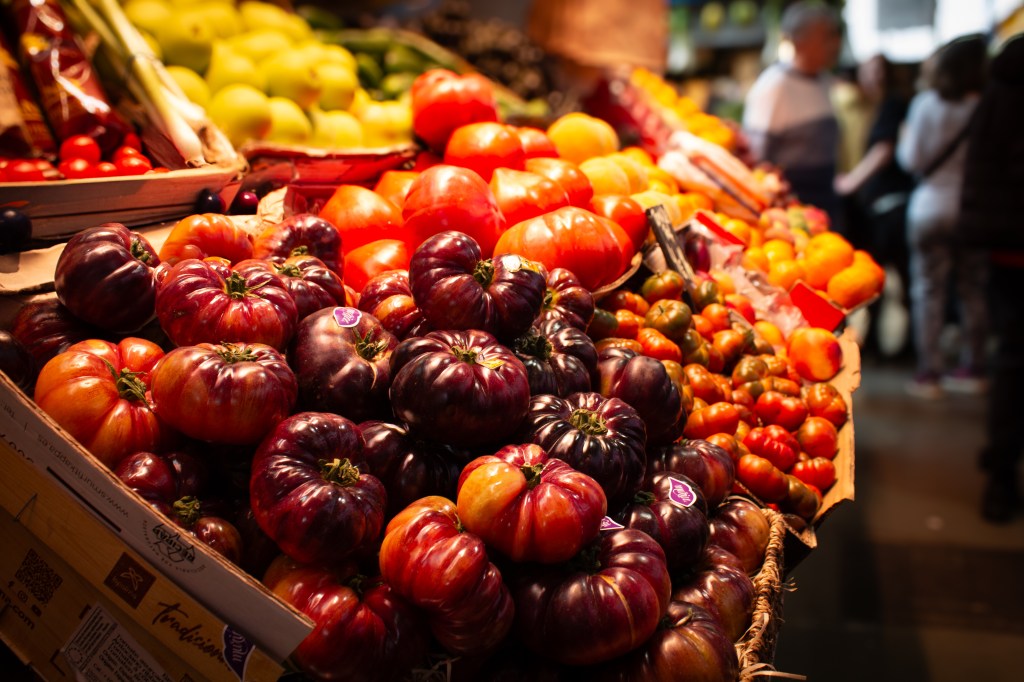
If you prefer to cook at home, Mercado Central de Atarazanas is a very nice place to shop for fresh, local ingredients. This vibrant market isn’t just for groceries—it’s a full sensory experience and one of Málaga’s top attractions. Nestled in the heart of the city, the market is housed in a stunning 19th-century building with Moorish roots. Its most iconic feature is the stained-glass window at the far end, flooding the market with colorful light and giving it a uniquely magical atmosphere.
Inside, you’ll find stall after stall overflowing with mouthwatering produce—fruits and vegetables in every color imaginable, freshly caught fish, jamón, local olives, cheeses, and much more. It’s a visual treat that always inspires me to eat healthier and experiment in the kitchen.
While it’s popular with tourists and can get a bit crowded, it’s absolutely worth a visit. Prices are generally reasonable, though they vary between stalls.
Pro tip: Watch where the locals shop—that’s often where you’ll find the best quality for the best price.
Final Thoughts: Savor the Moment
Eating like a local in Málaga isn’t just about the food; it’s about the experience. It’s taking the time to savor each bite, enjoy the company, and immerse yourself in the city’s vibrant culinary culture.
Also, read my article: How to drink like a local.
What’s your favorite way to eat like a local in Málaga? Have you embraced the late meal times, or do you have a favorite tapas bar or chiringuito to recommend? Share your thoughts in the comments—I’d love to hear your experiences and tips!
 mylovemalaga
Leave a comment