
Table of contents
To me, quality of life here means waking up with the sun, easing into the day, and soaking up the fantastic weather. It’s about enjoying the city at a leisurely pace, with daily visits to my local cafes and restaurants at affordable prices. There’s a stress-free rhythm to life—long evenings with friends, simple pleasures, and a day-to-day lifestyle with minimal obligations. What does quality of life mean to you?
I should probably mention that I’m a single woman without kids (the happiest people in the world, right? At least according to this article: women-happier-without-children-or-a-spouse). This fact plays a big part for me. Without the daily stress and responsibility of school runs, cooking family meals, or doing endless loads of laundry, I enjoy a level of freedom that adds to my happiness. No kids means fewer obligations, and with that comes more time and space for the things I love.
I imagine many expats and digital nomads moving to Málaga share a lifestyle similar to mine—adventurous, independent, and eager to explore a different way of living. Most of us come here seeking a change, traveling solo, and embracing the freedom to discover new paths. And for that, Málaga truly is the perfect place.
Relocating to Malaga means adopting a slower, more relaxed rhythm of life. For many of us, it’s a refreshing escape from the fast-paced environments we left behind. However, adjusting to the famous “mañana, mañana” mentality does take a bit of patience—but it’s all part of the charm!
Learning to Take It Slow
In Málaga, rushing is almost a foreign concept. Life here is about savoring the moment, whether you’re enjoying a cup of coffee at a plaza or strolling along the beach. As you ease into this laid-back rhythm, you’ll begin to notice something remarkable—time feels less important. The urgency fades, and suddenly, you’re living fully in the present.
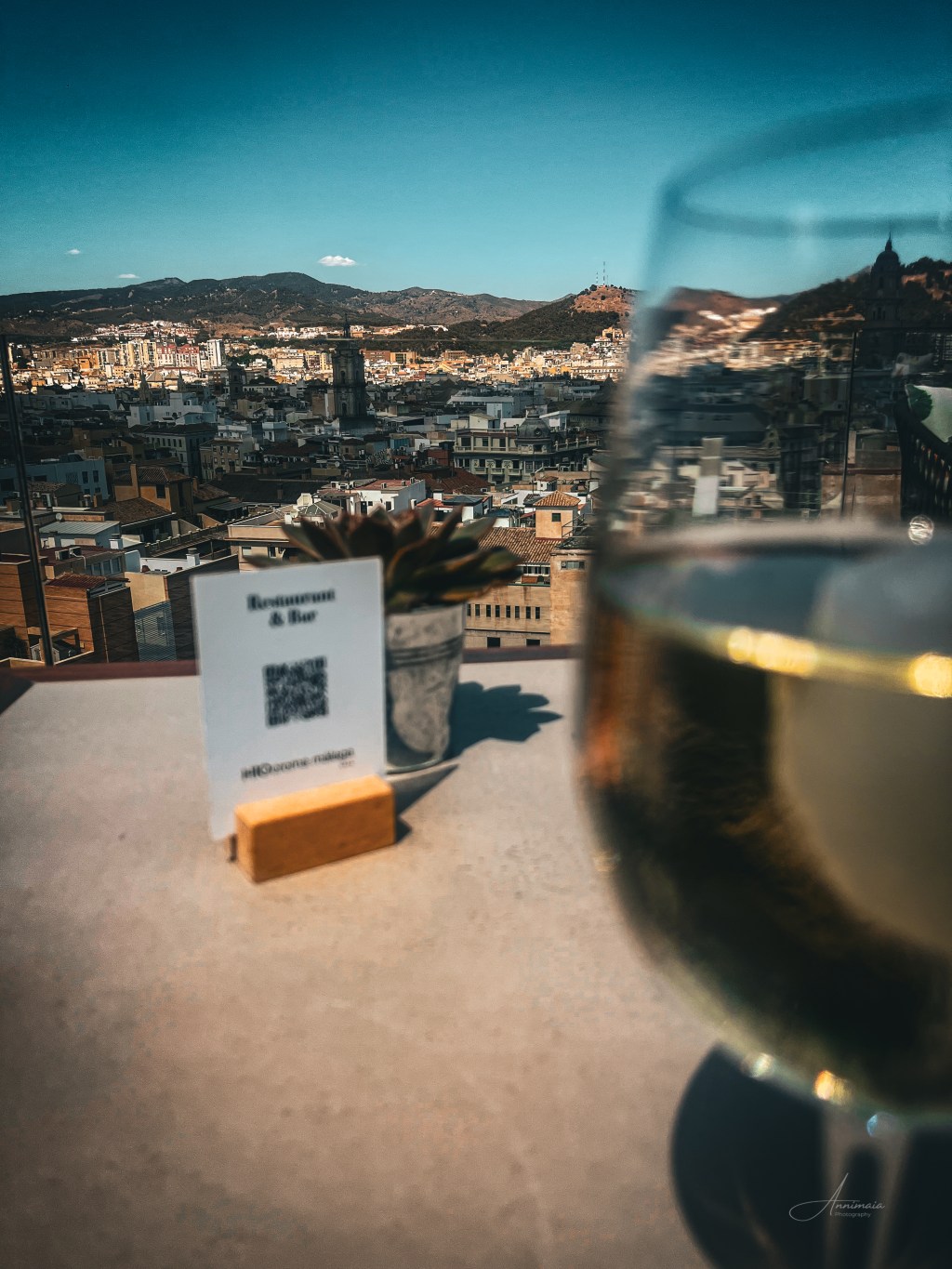
Once my workday wraps up, I like to take advantage of the city’s options. I use the city every day. I go out for at least a coffee and most evenings I meet with friends for dinner or drinks at our local spots. I will often stroll through the city past the beautiful sights and buildings and enjoy the sun on my face. A walk on Muelle Uno or the beach is always lovely. I remind myself very often, how lucky I am to be living in such a beautiful city.
Days Start Later, Nights Stretch Longer
Don’t be surprised if your morning feels unusually quiet in Málaga. The city wakes up late, with many businesses opening around 10 a.m. or even later. This relaxed start extends into the evening, with meal times and social gatherings happening much later than you might be used to. Dinner, for example, often doesn’t begin until 9 or 10 p.m., extending into the early hours. Adjusting to this schedule can take some time, but it quickly becomes a highlight of life here. There’s something magical about savoring long Mediterranean evenings without worrying about an early morning alarm.
Back in Denmark, it’s common to set your alarm for 6 a.m. Getting up while it’s pitch black night outside, was always a struggle for me—and honestly, not very healthy. Here in Málaga, I wake up gently with the sun, as its soft light fills my room. It’s a far more peaceful way to start the day. It also means you can enjoy your evenings, without stressing about your early morning.
The Sunshine Vitamin
One of the lesser-known perks of Málaga’s laid-back lifestyle is the health boost you get from its abundant sunshine. The city boasts over 300 days of sunshine a year, providing your body with plenty of vitamin D—often called the “sunshine vitamin.” Vitamin D is essential for strong bones, a healthy immune system, and even a positive mood. Many expats, myself included, find that Málaga’s sunny climate does wonders for their mental and physical well-being.
The “Mañana, Mañana” Mentality
The famous “mañana, mañana” (literally “tomorrow, tomorrow”) approach to life is alive and well in Málaga. While it embodies a wonderfully stress-free attitude, I’m not gonna lie, it can (will) be a challenge for those who are used to efficiency and punctuality. Tasks like getting a plumber or scheduling an appointment might take a little longer here—but eventually, everything gets done. Patience is key, and learning to let go of the need for instant results is part of the adjustment.
Embracing the Siesta
One of the most iconic aspects of life in Málaga is the siesta culture. Traditionally, between 2 p.m. and 5 p.m., many businesses close their doors, offering locals a chance to pause, recharge, and escape the heat of the afternoon. While siesta culture isn’t as widespread as it once was—many shops and offices in Málaga now stay open all day—the essence of taking a midday break still lingers in the city’s rhythm.
The siesta isn’t just about napping. It’s a time for enjoying a leisurely lunch, spending moments with family, or simply resting before diving back into the day. It’s a testament to how Málaga embraces balance and well-being over the relentless hustle.
Personally, I’m a big fan of the siesta. Whenever my schedule allows, I take full advantage of this tradition, sneaking in a short nap to recharge for the rest of the day. It’s a habit I’ve come to love—and one that reminds me how living here has taught me to prioritize rest and relaxation.
Meal Times: A Cultural Shift
Meal times in Málaga are another adjustment, but they’re a delightful part of the cultural experience—and it’s a change that comes with its own charm. Lunch, the largest and most important meal of the day, usually begins around 2 p.m. and can stretch on for hours, especially on weekends. Dinner is typically much later than in many other countries, often starting around 9 or even 10 p.m. Embracing this schedule means enjoying long, leisurely meals with friends or family—a key part of Málaga’s charm.
This later schedule is more than just a meal; it’s an experience. Long, leisurely lunches and late-night dinners with friends or family are cornerstones of Málaga’s social culture. It’s all about taking the time to enjoy good food, good company, and the vibrant atmosphere of the city.
That said, the late times can be a bit of a cultural shock for newcomers. It’s not uncommon to spot bewildered tourists roaming the streets at 6 p.m., searching for an open restaurant serving dinner. However, Málaga has adapted to the growing influx of visitors, and more and more places now offer all-day kitchens to accommodate those who haven’t yet adjusted to the local schedule.
Read more in my article: How to eat like a in Malaga.
Final Thoughts on Málaga’s Quality of Life
Málaga’s quality of life is something truly special. From the slower pace to the sun-drenched days, and from the late meal times to the vibrant social culture, the city has a way of reshaping your perspective on what it means to truly live well. Adjusting to this laid-back lifestyle takes time, but once you settle in, it feels like a breath of fresh air—a daily reminder to savor life’s moments rather than rushing through them.
What about you? Have you embraced this relaxed way of life yet, or are you still finding your rhythm? If you’ve already settled in Málaga, what does “quality of life” mean to you? I’d love to hear your thoughts—whether it’s about learning to take it slow, adjusting to the later schedule, or other aspects of life here that bring you joy. Share your experiences in the comments below and let’s celebrate the many ways Málaga inspires us to live our best lives!
 mylovemalaga
Leave a comment